Exploring Physical Gaming Spaces and
Contemporary Interior Design
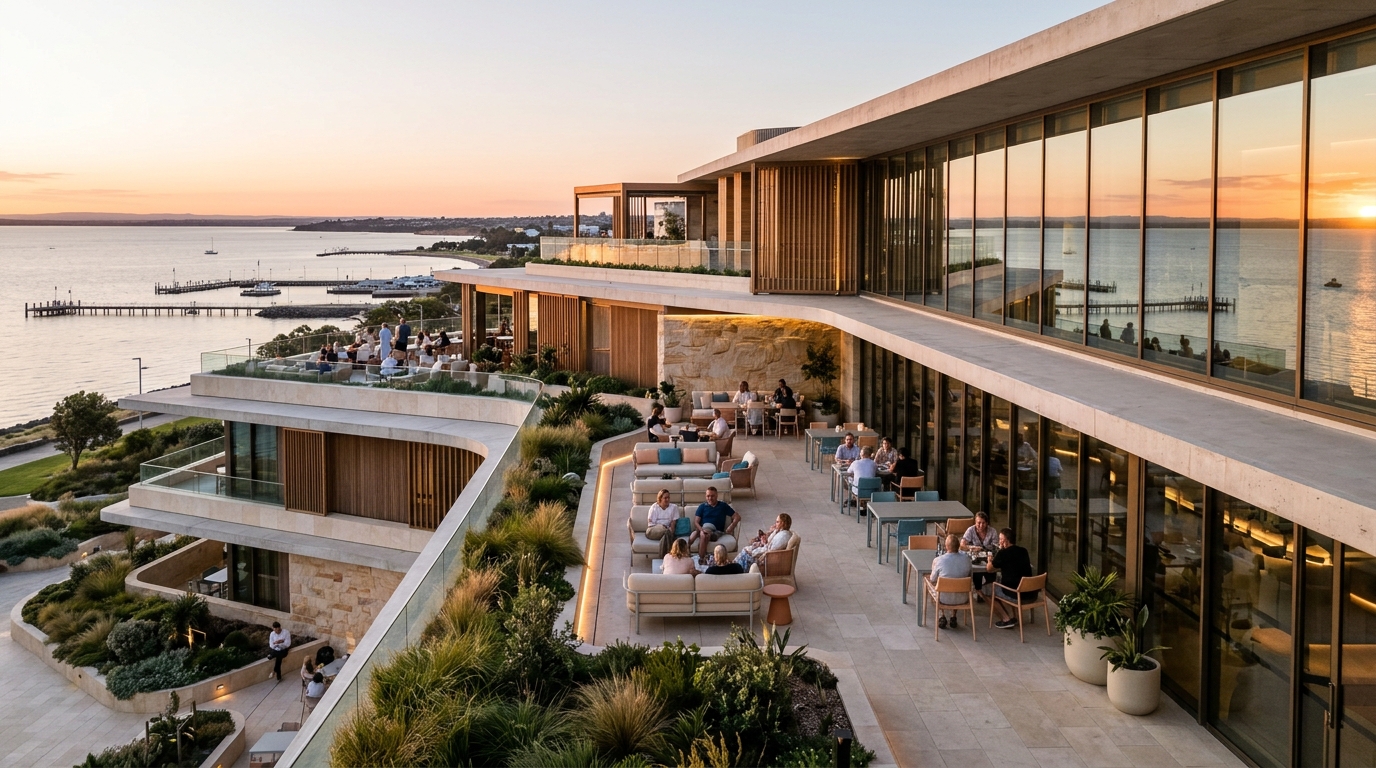
Physical casino buildings are highly planned environments. Their design balances circulation,
visibility and clearly defined functions within a setting intended for adult visitors. While a
casino may sit within a wider entertainment district or hospitality complex, its gaming floor
has particular requirements for supervised access, table arrangement and responsible operation.
Studying these interiors as architecture reveals how movement, seating and lighting can make a
dense room readable without resorting to visual noise.
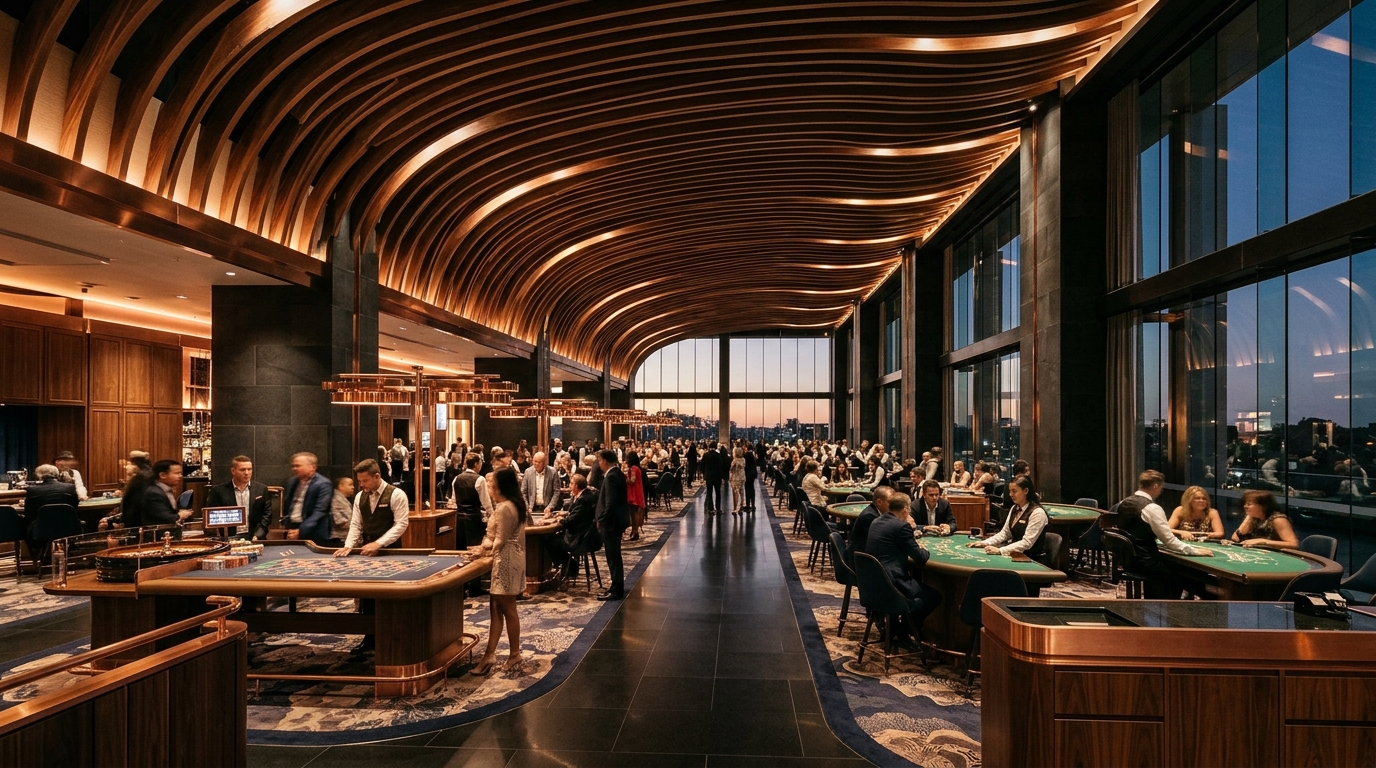
Roulette tables create a natural focal point. Their circular mechanics and surrounding seating
require space for players, staff and others to move comfortably. Designers consider the
relationship between the table edge, the position of lighting and the routes that connect
adjacent zones. Card gaming areas may need different sightlines, quieter acoustics and more
deliberate spacing between groups. These spatial distinctions can support an interior that feels
coherent rather than crowded.
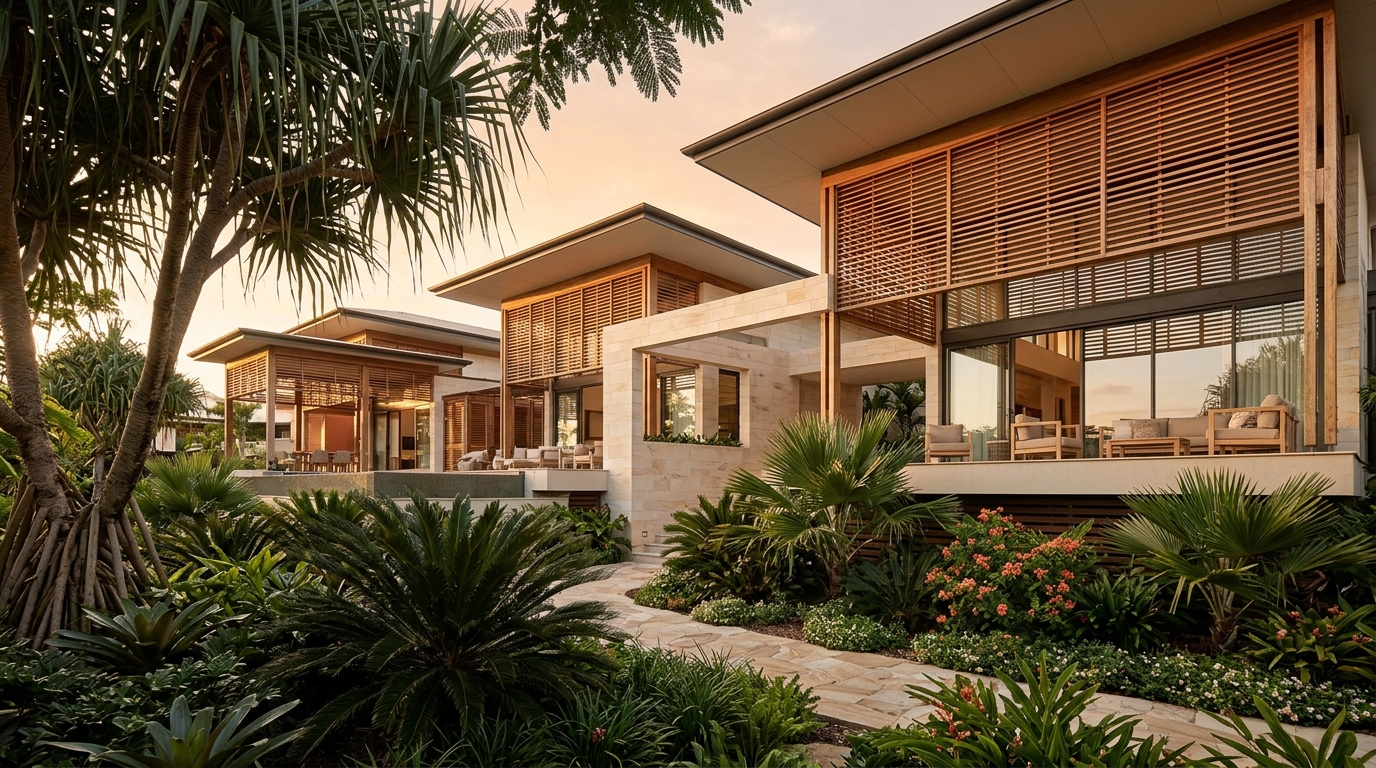
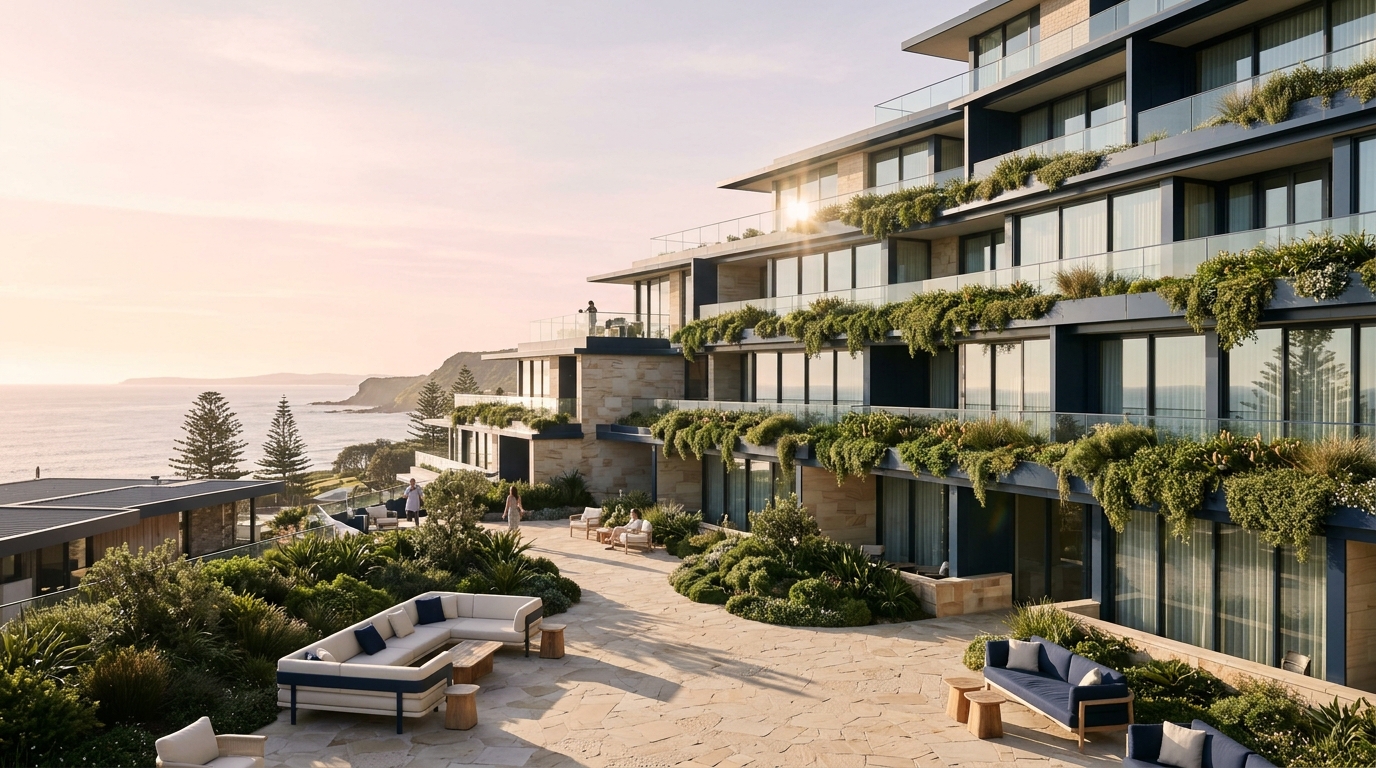
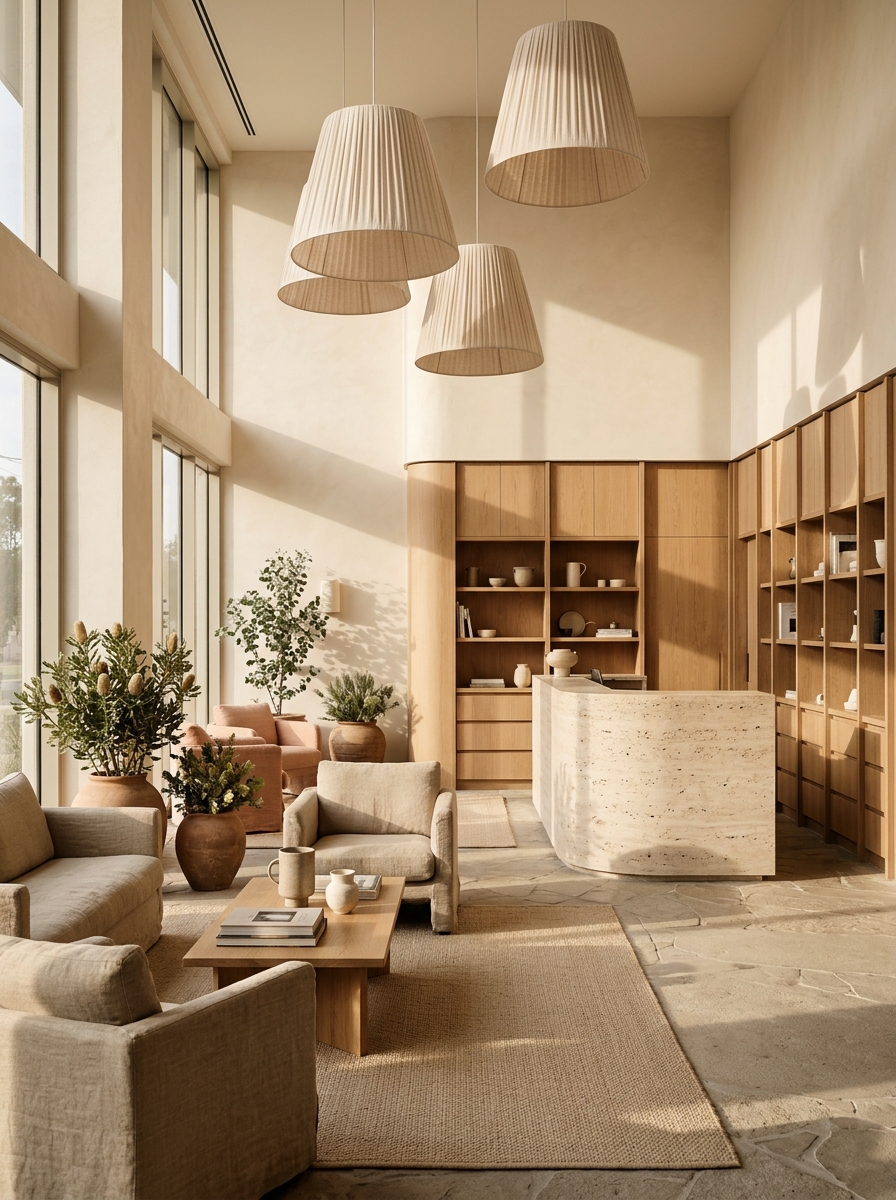
Materials are equally important. Natural stone can provide a stable visual foundation, while
timber and upholstered surfaces introduce warmth in rooms that operate for extended periods.
Light must support supervision and orientation without producing distracting reflections over
playing surfaces. Carefully specified ceiling details can separate zones, and legible routes
help visitors understand where to enter, seek assistance or leave.
Architectural decisions do not remove the risks associated with gambling. Money spent on gambling
can be lost, and long periods on a gaming floor can make time and expenditure harder to monitor.
A responsible visitor should understand age restrictions, identification requirements, venue
rules and available support before entering. In Australia, licensed premises apply
state-specific obligations; requirements vary between Victoria, Queensland and New South Wales.
Our architectural collection explores the layout and atmosphere of physical casino spaces from an
educational perspective. Visitors can discover how roulette tables, card gaming areas and
natural materials come together in contemporary interiors, alongside information about age
restrictions and responsible gambling.
More broadly, a visitor-centred layout should support accessibility, legible signage and
straightforward routes to assistance. A physical casino may be part of a larger precinct, yet
the boundaries of gaming areas need to remain apparent. Distinctions between public circulation
and controlled operating spaces help people navigate the building. Real projects also require
fire safety, security, accessibility and other reviews that no visual concept can replace.
Architectural quality matters, but it cannot stand in for responsible gambling safeguards or
state-specific legal compliance.
01
Roulette Tables
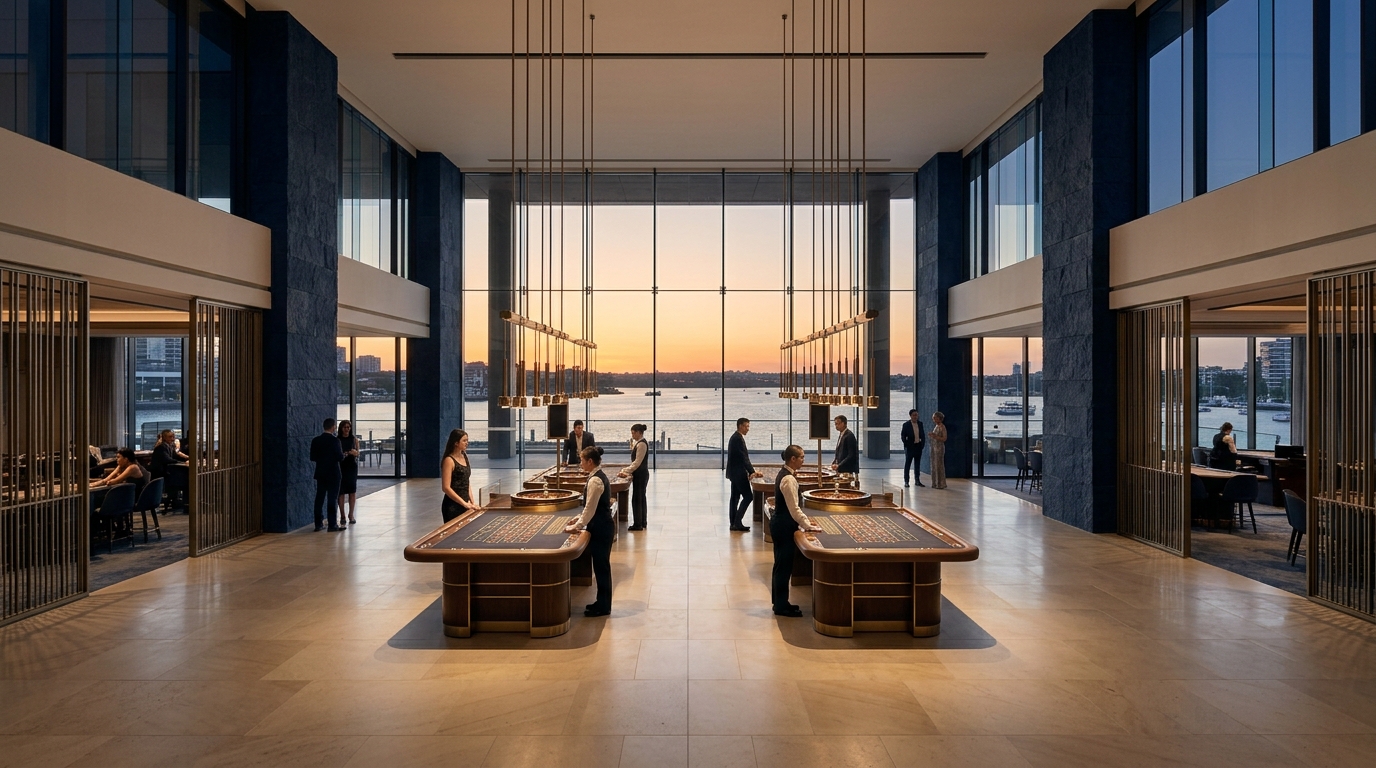
A roulette area is both a working table environment and a gathering space. The table must
remain visible to staff, with circulation designed to avoid crowding at its edges. Seating
heights, lighting angles and the distance to nearby routes shape usability. In architectural
studies, contrasting materials can define the space without obscuring the functional
surface. Visitors should follow the conditions set by the actual licensed venue. The
surrounding architecture should also provide a straightforward route to information and
exits. Thoughtful room planning serves visitors and staff alike without treating gaming as
an obligation.
02
Card Gaming Areas
Card gaming tables often benefit from more enclosed arrangements and softer acoustic
treatment than larger circulation halls. Seating, staff movement and accessible clearances
influence the plan. A considered design can use timber partitions and dedicated lighting to
create distinct zones while maintaining legibility. Such planning is about the physical
environment, not an endorsement of any gaming activity or a promise of favourable outcomes.
Changes in ceiling height and light colour can help distinguish functions. The strongest
layouts use these cues sparingly, with clear paths between smaller rooms and main
circulation.
03
Casino Visitor Information
Australian casino gaming areas are for adults aged 18 and over. An operator may require
photographic identification, enforce dress and conduct rules and restrict entry when
necessary. Policies, gaming availability and responsible gambling services differ by venue
and jurisdiction. Always check the official property information before travelling. If
gambling causes stress or financial pressure, free confidential support is available through
Gambling Help Online and the National Gambling Helpline. Do not assume an age screen on a
website replaces photo identification at a venue. Consider non-gambling alternatives and
seek help whenever spending or time becomes difficult to control.
 01